Top 10 Tips for Sourcing Edible Gelatin Globally?
Sourcing Edible Gelatin globally requires a solid understanding of market dynamics and quality standards. Edible Gelatin is a versatile ingredient used in various food products, pharmaceuticals, and cosmetics. Businesses must navigate diverse regulations and supplier capabilities to ensure product quality.
To succeed, it's crucial to build strong relationships with reputable suppliers. Consider their certifications and manufacturing practices. This attention to detail can mitigate sourcing risks. However, not all suppliers meet expected standards, leading to potential quality issues. Frequent evaluations and communication are essential.
Moreover, price fluctuations and supply chain disruptions can occur. Staying informed about market trends helps in making strategic sourcing decisions. Remember, a reliable sourcing process for Edible Gelatin is key to maintaining product integrity. It demands continuous learning and adaptation to changing market conditions.
Understanding Edible Gelatin and Its Global Market
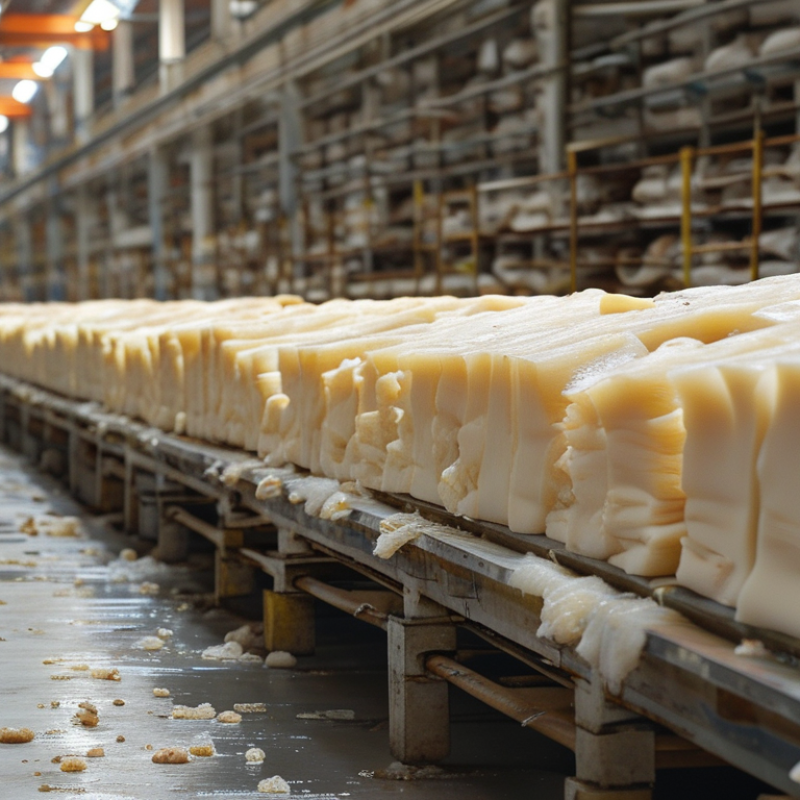
Edible gelatin is a versatile ingredient widely used in the food industry. It is derived from collagen, primarily sourced from animal byproducts. Understanding the global market for edible gelatin is crucial for sourcing effectively. Various regions, such as North America and Europe, dominate production, yet emerging markets are growing rapidly.
Quality varies significantly across suppliers. Different processing methods impact the final product's functionality. Some gelatin offers better gelling properties, while others excel in clarity or melting point. Knowing these distinctions is vital for manufacturers who depend on consistency in their products. Conducting thorough research helps mitigate risks when sourcing.
The gelatin market is influenced by factors like dietary preferences and health trends. A rising popularity of plant-based alternatives challenges traditional animal-derived options. While gelatin remains a staple, the industry must adapt. Sourcing strategies must consider these evolving consumer preferences. Identifying reliable suppliers can be complicated. Maintaining quality while navigating this complex landscape is essential for success.
Top 10 Countries for Edible Gelatin Production
This chart displays the production of edible gelatin in metric tons across the top 10 countries globally. The data highlights the significant contribution of each country in the gelatin market, offering insights for effective sourcing strategies.
Key Factors to Consider When Sourcing Edible Gelatin
When sourcing edible gelatin globally, several key factors play a critical role. The quality of the gelatin is essential. It is important to verify the source and method of production. Consideration of the raw materials used is vital. Gelatin can be derived from various animal sources, each with different characteristics. Knowing where your gelatin comes from helps ensure it meets your specific needs.
Supply chain transparency matters too. A reliable supplier should provide clear information about sourcing and production practices. Investigate their certifications to ensure they comply with food safety standards. Communication is also crucial. A supplier who is responsive and open to questions indicates a commitment to quality.
Price is never the only consideration. While it is tempting to choose the cheapest option, this could lead to compromises in quality. Reflect on the long-term implications of such choices. Quality gelatin may have a higher upfront cost but can improve product performance and consumer satisfaction. As you navigate global sourcing, keep these factors in mind to make informed decisions.
Identifying Reliable Suppliers and Manufacturers for Gelatin
Identifying reliable suppliers for edible gelatin can be complex. Industry reports suggest that global gelatin consumption reached approximately 400,000 metric tons in 2022. This demand highlights the importance of finding trustworthy sources. Begin by evaluating potential suppliers' certifications. Look for ISO and HACCP certifications, which indicate adherence to high safety and quality standards.
Engaging with suppliers via trade shows offers firsthand insights. Direct conversations can reveal their manufacturing processes and quality control measures. According to the Gelatin Manufacturers Association, 70% of buyers rate supplier responsiveness as a major factor in their purchasing decisions. This metric highlights the need for suppliers who maintain clear communication channels.
Another consideration is geographic location. Sourcing gelatin from different regions may impact quality and pricing due to local regulations and climate conditions. Monitoring changes in global supply chains is essential, especially in light of recent disruptions. Being flexible in sourcing strategies can mitigate potential risks. Gathering feedback from peers in the industry can also provide valuable insights into reliable suppliers.
Regulatory Standards and Quality Control in Edible Gelatin
Regulatory standards play a crucial role in the sourcing of edible gelatin. Different regions have unique guidelines that ensure safety and quality. For instance, the European Union mandates strict regulations on the sourcing and processing of animal-derived products. These standards are put in place to protect consumers from potential health risks.
Quality control is equally essential. Every batch of gelatin must meet specific criteria regarding purity and composition. Many suppliers use advanced testing methods to verify that their gelatin is free from contaminants. However, not all manufacturers adhere to these practices, raising concerns about the reliability of certain sources. It's vital for purchasers to conduct due diligence when evaluating suppliers.
Incorporating these standards into sourcing strategies is not straightforward. Companies may face challenges in aligning their practices with varying regulations worldwide. Effective communication with suppliers is key to ensuring compliance. Regular audits and certifications can further strengthen quality assurance. Failure to meet these standards can lead to serious consequences for brands and their consumers.
Analyzing Cost and Logistics in Global Sourcing of Gelatin
When sourcing edible gelatin globally, cost considerations are crucial. Prices for gelatin can vary significantly based on the source and quality. Manufacturers in different regions may offer diverse pricing structures. Understanding these differences helps in achieving cost-effective procurement. It is essential to compare multiple suppliers to assess their offerings.
Logistics play an equally vital role in sourcing gelatin. Transportation costs can impact the overall expenditure. Factors like distance, shipping method, and import duties must be evaluated. Efficient logistics can reduce delivery times and minimize spoilage, especially since gelatin is sensitive to temperature and humidity. Collaborating with experienced logistics providers can enhance the supply chain.
Additionally, challenges may arise when navigating international regulations. Compliance with local food safety standards is non-negotiable. Delays can occur due to documentation issues or inspections. It is wise to establish strong relationships with suppliers and logistic partners. This network can lead to smoother operations and more reliable quality assurance. Adapting to these variables requires ongoing reflection and adjustment in sourcing strategies.