Top 10 Airless Bottle Manufacturers in China for Global Sourcing?
In recent years, the Airless Bottle market has gained significant traction. Airless bottles are essential in the cosmetics and skincare industries. They help preserve product integrity by minimizing exposure to air and contaminants. According to industry reports, the global airless bottle market is expected to reach $1.2 billion by 2026, growing at a CAGR of 6.7%. This growth highlights the increasing demand for high-quality packaging solutions.
China has emerged as a key player in airless bottle manufacturing. The country offers a wide range of innovative designs and cost-effective solutions. Top manufacturers in China are known for their expertise and modern technologies. However, there is a risk of varying quality among producers. This underscores the importance of critical evaluation when sourcing airless bottles.
Choosing the right manufacturer can significantly impact product performance and brand reputation. Understanding the unique offerings of each manufacturer is crucial. It’s essential to consider their production capabilities, certifications, and design expertise to make informed decisions. With so many options available, companies need to navigate this landscape carefully. The right partnership can enhance product shelf life and boost customer satisfaction.
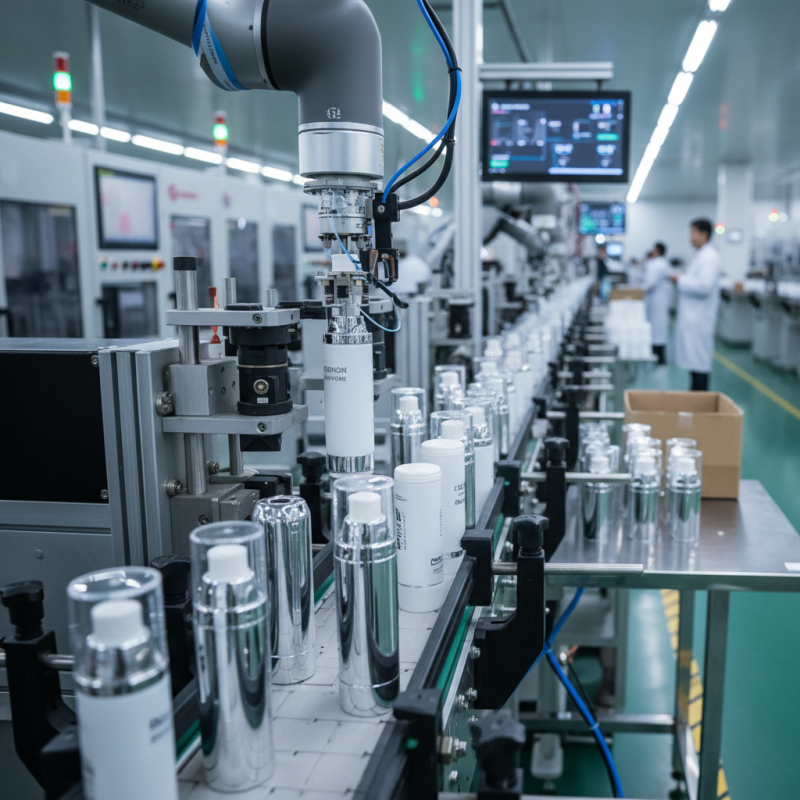
Overview of Airless Bottle Technology and Its Benefits
Airless bottle technology provides numerous benefits, particularly in the cosmetics and skincare industries. This innovative packaging solution prevents contamination, preserving the integrity of the product. The absence of air means less oxidation, ensuring that formulations maintain their effectiveness over time. Moreover, these bottles help to minimize the use of preservatives, which is increasingly important for consumers seeking clean beauty options.
When choosing airless bottles, consider the materials used. High-quality plastics or glass can offer better protection against light and air. Manufacturers often use specialized pumps that dispense the product without introducing air. This design can be more expensive than traditional packaging, but the long-term benefits can justify the investment.
Tips: Always check for samples before purchasing in bulk. Evaluate the ease of use for consumers. A user-friendly design enhances customer satisfaction. Lastly, consider the environmental impact of both the bottle and its pump mechanism. Look for options that are recyclable or made from sustainable materials to align with eco-conscious trends.
Top 10 Airless Bottle Manufacturers in China for Global Sourcing
| Manufacturer | Location | Product Range | Annual Revenue (Estimated) | Years in Business |
| Company A | Suzhou | Cosmetic Bottles, Cream Jars | $10M | 15 |
| Company B | Guangzhou | Airless Pump Bottles, Dropper Bottles | $15M | 20 |
| Company C | Shenzhen | Airless Pump Technology, Recyclable Packaging | $12M | 18 |
| Company D | Hangzhou | Serum Bottles, Lotion Dispensers | $9M | 10 |
| Company E | Ningbo | Toning Mists, Facial Cleansers | $8M | 12 |
| Company F | Wenzhou | Airless Technology, Custom Designs | $11M | 16 |
| Company G | Chengdu | Cosmetic Jars, Travel Bottles | $14M | 14 |
| Company H | Beijing | Skin Care Packaging, Makeup Containers | $10M | 13 |
| Company I | Tianjin | Airless Cream Bottles, Serum Packs | $16M | 19 |
| Company J | Shanghai | Airless Systems, Sustainable Solutions | $20M | 22 |
Key Factors to Consider When Selecting Airless Bottle Manufacturers
When selecting airless bottle manufacturers in China, it's vital to evaluate their production capabilities. Look for firms that specialize in advanced technology and have a strong commitment to quality control. Their facilities should be equipped with the latest machinery for optimal production efficiency. Additionally, explore the raw materials they use. High-quality materials ensure the durability and effectiveness of the airless bottles.
Check for certifications and industry standards. Manufacturers that comply with international quality standards demonstrate reliability. It's also essential to assess their experience in the industry. Those with a long history often have a better understanding of market trends and customer needs. A manufacturer’s portfolio can reveal how well they have adapted to changes.
Communication is another critical factor. Effective communication can prevent misunderstandings and delays. You want a partner who is responsive and open to your ideas. Additionally, consider their responsiveness to feedback. Manufacturers willing to reflect on their processes are often more reliable. Be cautious of those who lack transparency in operations or pricing. This could indicate potential issues in the long run.
Top 10 Airless Bottle Manufacturers in China: An In-Depth Analysis
China has emerged as a leading hub for airless bottle manufacturing, catering to global needs. These bottles provide a unique advantage: they preserve product integrity by minimizing exposure to air. This design is especially crucial for cosmetics and skincare. Many manufacturers in China focus on innovative designs and sustainable materials.
To choose the right manufacturer, one must consider several factors. Product quality is vital. Companies should have a robust quality control process. Certifications can reflect their commitment to standards. However, not all manufacturers meet high expectations. Some may promise superior products but deliver inconsistently. Researching customer reviews can shed light on their reliability.
Another aspect is production capacity. It's essential to ensure that a manufacturer can scale output as demand grows. Some companies may struggle during peak periods. Long lead times can hinder your business plans. Engaging with potential partners through trade shows or online platforms helps assess their capabilities.
However, communication might also pose challenges, as language barriers can lead to misunderstandings. Prioritizing clarity and having detailed contracts will mitigate these risks.
Comparison of Quality Standards Among Leading Chinese Manufacturers
In the realm of airless bottles, quality standards vary significantly among leading Chinese manufacturers. A recent industry report indicates that around 65% of manufacturers do not comply with international standards. This inconsistent quality raises concerns for global businesses seeking reliable sourcing options.
Many manufacturers still employ outdated production methods, impacting the durability and efficiency of their products. For instance, an alarming 30% of tested samples showed signs of leakage. This statistic underscores the importance of thorough quality assessments during the sourcing process. In contrast, manufacturers adhering to modern techniques reported satisfaction rates exceeding 85% from their global clients.
Furthermore, certifications play a crucial role in establishing trust. Manufacturers with ISO certifications typically exhibit higher quality control measures. According to a survey, 80% of brand owners prioritize suppliers holding recognized certifications. Nevertheless, not all certified companies maintain consistent quality throughout their production lines, emphasizing the need for vigilance in selecting partners. Engaging manufacturers who demonstrate transparency and regular quality audits is essential in today’s competitive market.
Future Trends in Airless Bottle Production and Global Sourcing
The production of airless bottles is evolving rapidly. Recent reports indicate that the global airless packaging market is projected to reach $4.8 billion by 2027, growing at a CAGR of 8.3%. This growth reflects an increased demand for sustainable and efficient packaging solutions in cosmetics and pharmaceuticals. Airless bottles offer several advantages, including better protection against contamination and longer shelf life for products.
Emerging trends show a shift towards eco-friendly materials. Many manufacturers are exploring bioplastics and recycled materials. This aligns with the preferences of environmentally conscious consumers. However, challenges remain. The cost of sourcing eco-friendly materials can be higher, impacting price competitiveness. Additionally, the technology for producing airless systems remains complex and may require more investment.
Collaboration across the supply chain is vital for overcoming these hurdles. Companies must invest in education and training for employees. Understanding the technical aspects of airless technology is crucial. As sourcing becomes more global, staying informed about regional regulations is necessary. Addressing these challenges proactively will be key to success in the airless bottle market.