How to Source High Quality Plant Extracts for Your Business?
In the fast-evolving world of herbal products, sourcing high-quality Plant Extracts is crucial. Industry expert Dr. Jane Anderson, a leading botanist at Greenway Botanicals, emphasizes, "The quality of plant extract can make or break your product." This statement holds significant weight as businesses increasingly rely on the efficacy of natural ingredients.
Navigating the plant extract market can be daunting. Not all suppliers meet quality standards. A transparent supply chain is essential. Customers are growing more informed and demanding. They seek products with proven quality. Each extract has its unique characteristics, which can vary based on origin, processing methods, and storage practices. Therefore, diligence in selecting suppliers is paramount.
Reflecting on the sourcing process reveals gaps and areas for improvement. It's easy to overlook details when faced with various options. Some businesses prioritize cost over quality, which can lead to poor outcomes. A focus on integrity and sustainability can enhance trust. Engaging with reliable suppliers can elevate your business in a competitive market. Ultimately, high-quality plant extracts lead to better products and satisfied customers.
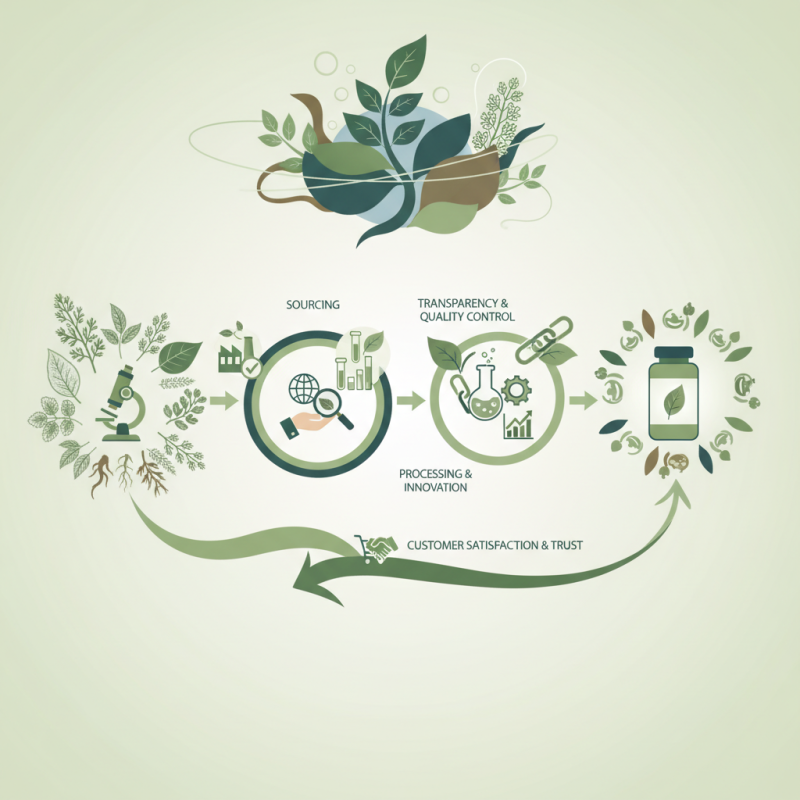
Identifying Your Business Needs for Plant Extracts Sourcing
Identifying your business needs for plant extracts is crucial for sourcing high-quality materials. Start by analyzing the specific applications of plant extracts in your products. Are you focused on cosmetics, food supplements, or herbal remedies? Each category has unique requirements. For instance, cosmetic formulations may prioritize skin compatibility, while food applications may emphasize flavor and health benefits.
Evaluate the volume and consistency needed for production. This assessment can help you determine the quality standards required. Are you looking for organic certifications, or are there specific phytonutrients essential for your products? Not every supplier can meet these demands. Research potential suppliers thoroughly, asking for samples to gauge their quality.
It’s important to reflect on the sustainability of your sourcing practices. High-quality extracts often come from sustainable sources, ensuring that your business aligns with ethical standards. Look for suppliers who prioritize eco-friendly methods. This can lead to better product quality and improve your brand’s reputation. Balancing cost with quality is often tricky and requires careful consideration. Aim for a partnership that offers reliability and innovation, even if it means paying a premium initially.
How to Source High Quality Plant Extracts for Your Business?
| Extract Type | Supplier Location | Purity Level | Price per KG ($) | Lead Time (Days) |
| Chamomile Extract | Germany | 95% | 120 | 14 |
| Ginger Extract | India | 98% | 90 | 10 |
| Green Tea Extract | China | 85% | 100 | 21 |
| Lavender Extract | France | 92% | 110 | 15 |
| Peppermint Extract | USA | 97% | 95 | 7 |
Researching Reputable Suppliers and Extract Manufacturers
When sourcing high-quality plant extracts, researching reputable suppliers is key. The herbal extract market is poised to reach $9.45 billion by 2026, according to industry reports. This significant growth emphasizes the importance of choosing trustworthy manufacturers. Start by checking for certifications such as ISO or GMP. These certifications indicate adherence to production and quality standards.
Look for suppliers with a solid history in the industry. Experience plays a crucial role in ensuring product reliability. Some suppliers may offer a range of extracts. However, not all are created equal. Assess their sourcing practices. Ethical sourcing not only supports sustainability but also enhances product quality. Consider requesting phytochemical analysis reports to verify extract potency and purity.
Engage in direct communication with potential suppliers. Ask about their extraction methods and sourcing origins. High-quality extracts often result from careful extraction processes. Transparency is vital. If a supplier hesitates to share details, it could signal potential issues. In the end, critical assessment of suppliers can lead to better business decisions and improved product offerings.
Plant Extract Sourcing Quality Assessment
Evaluating Quality Standards and Certifications of Plant Extracts
When sourcing high-quality plant extracts, quality standards and certifications play a crucial role. Certifications such as USDA Organic or GMP (Good Manufacturing Practices) often indicate that a supplier adheres to rigorous quality control measures. These certifications reflect the purity and integrity of the extracts. However, not all suppliers may hold recognized certifications, which can pose challenges for businesses.
Understanding the evaluation process for plant extracts involves looking beyond certifications. It is essential to examine the extraction methods used. Cold pressing, steam distillation, and solvent extraction are common techniques. Each method can impact the final product's quality and bioactive compounds. Testing for contaminants is just as important. Residual solvents, heavy metals, and pesticide residues can compromise the safety of the extracts. Regular third-party testing ensures transparency.
It is vital to ask suppliers for certificates of analysis (COAs) for each batch. This proactive approach fosters trust. If a supplier cannot provide these, it's a red flag. Also, customer reviews and industry reputation matter. Relying on word-of-mouth recommendations can sometimes lead to valuable partnerships. Reflection on previous experiences can guide future sourcing decisions.
Assessing Extraction Methods and Their Impact on Quality
When sourcing high-quality plant extracts, the extraction method plays a crucial role. Different techniques, such as steam distillation, solvent extraction, and supercritical CO2 extraction, each have distinct effects on the quality of the final product. For instance, steam distillation often captures aromatic compounds effectively but can lose delicate, heat-sensitive substances. This can lead to a less potent extract.
Solvent extraction, on the other hand, can yield richer profiles but raises concerns about solvent residues. It requires careful purging to avoid contamination. With supercritical CO2 extraction, quality is often higher due to lower temperatures and no solvent residue. However, the initial investment is significant, making it less accessible for small businesses.
Choosing the right method requires careful consideration of your needs and budget. Testing extracts for purity and potency should be a priority. Check for certificates of analysis from suppliers, but remember, not all suppliers will provide them readily. Engage with experts and ask questions. Understand their processes and be aware of potential pitfalls. This engagement can help ensure that you are sourcing the best quality extracts possible for your business.
Establishing a Long-term Relationship with Suppliers and Partners
When sourcing high-quality plant extracts, building lasting relationships with suppliers is crucial. Research shows that companies leveraging strong supplier partnerships experience a 20% reduction in supply chain risks. This relationship fosters trust, ensuring that suppliers prioritize quality. Regular communication is key here. Schedule frequent check-ins to discuss expectations and gather feedback.
Tips: Always visit potential suppliers' facilities. This on-site assessment can reveal their quality control processes. Understand their sourcing methods to ensure they align with your standards. Consider certifications like organic or fair trade. These add credibility and assurance of quality.
It's important to be transparent about your needs. This honesty allows suppliers to meet your requirements effectively. Track your expectations against the actual supply quality. If discrepancies arise, address them promptly. Reflecting on these moments fosters growth. Treat these relationships as partnerships rather than mere transactions. This approach often leads to better quality products over time.