How to Source High Quality Green Coffee Bean Powder Globally?
Sourcing high-quality Green Coffee Bean Powder is crucial for businesses and health enthusiasts alike. As coffee trends evolve, the demand for this product continues to rise. Renowned coffee expert Dr. Lisa Green states, "Quality is key. Finding the right source can elevate the benefits of green coffee." Her insights highlight the importance of quality sourcing.
The process involves international networks, ensuring stringent quality control. Interested parties must focus on regions known for exceptional coffee cultivation, such as Brazil and Colombia. These areas often provide beans rich in flavor and nutrients. However, it's not just about location; understanding the processing methods is essential. Organic certifications can also enhance reliability, but many suppliers may lack transparency.
Navigating the global market for Green Coffee Bean Powder can be challenging. Many businesses face hurdles while seeking reliable suppliers. It's important to research and build relationships based on trust. Ensuring quality over price should be the top priority, even when the choices seem overwhelming.
Understanding the Global Market Trends for Green Coffee Bean Powder
Understanding the global market trends for green coffee bean powder is crucial for sourcing high-quality products. The demand for green coffee has surged in recent years due to its health benefits. Consumers worldwide now seek natural and organic options. Awareness of sustainability influences purchasing decisions. Importers must stay informed about these trends to remain competitive.
When sourcing green coffee bean powder, consider the origin. Different regions offer unique flavor profiles and quality. For example, Central American beans tend to be mild, while African beans can be more fruity. Monitoring market prices is essential, as fluctuations can affect purchasing strategies. Connecting with reliable suppliers can help establish trustworthy partnerships.
Evaluate certifications like organic or Fair Trade. These can add value to the product and appeal to eco-conscious consumers. Look at emerging markets that show potential for growth. Engage with local farmers to understand their practices. This fosters transparency and can lead to better sourcing decisions. Establishing relationships will ultimately benefit all parties involved.
Global Sourcing of High-Quality Green Coffee Bean Powder
Identifying Quality Criteria for Premium Green Coffee Bean Powder
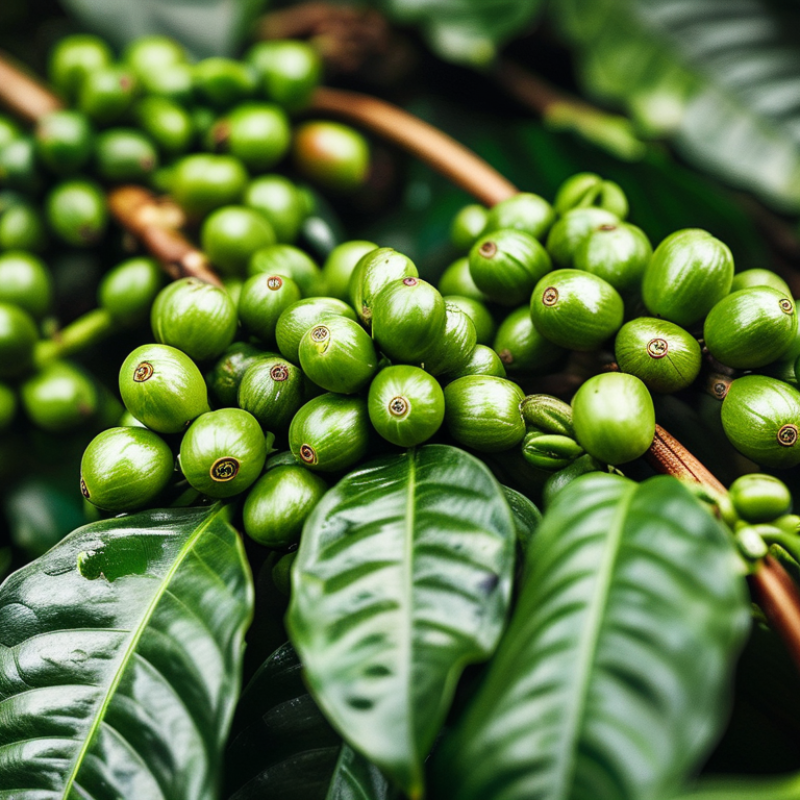
When sourcing high-quality green coffee bean powder, identifying key quality criteria is essential. Look for beans that are harvested at peak ripeness. The color should be a vibrant green, indicating proper processing. The smell should be fresh, with no signs of mold or fermentation. Checking moisture content is crucial; it should be low to prevent spoilage.
It’s important to evaluate the sourcing processes. Sustainable practices enhance quality. Farmers who use organic methods often produce superior beans. Certification from recognized bodies can be a sign of quality. However, not all certifications are equal. Researching the standards they adhere to is vital.
Packaging plays a role too. It should be airtight and light-proof to protect the powder’s integrity. Ensure that the source provides transparency about their supply chain. Quality can vary widely, and some suppliers may lack consistency. Engaging with suppliers directly can foster trust and reliability. This dialogue can reveal their commitment to quality and ethics, which is fundamental for forming long-term partnerships.
Key Sourcing Regions for High-Quality Green Coffee Bean Supply
When sourcing high-quality green coffee bean powder, it is essential to identify key regions renowned for their superior beans. Countries such as Colombia, Brazil, and Ethiopia play a significant role in the green coffee market. According to the International Coffee Organization, these regions export approximately 40% of the world's coffee. Colombia, with its unique climate and elevation, produces coffee beans known for their balanced acidity and rich flavor profile.
Ethiopia is often dubbed the birthplace of coffee. The diverse microclimates across its highlands contribute to a variety of unique flavors. However, the challenge lies in quality control. Data from the Coffee Quality Institute suggests that while Ethiopia's coffee is prized, inconsistency can occur among smallholder farms. This reflects the need for careful sourcing practices.
Brazil remains the largest coffee producer globally. Its scale provides a wide range of options for buyers. Yet, as noted in the Specialty Coffee Association’s report, there have been concerns about sustainability and environmental impact. Sustainable sourcing practices are crucial. Sourcing from farmers who adhere to high agricultural standards ensures a reliable supply of green coffee bean powder with excellent quality.
Evaluating Suppliers: Certifications and Quality Assurance Standards
Evaluating suppliers for high quality green coffee bean powder requires attention to certifications and quality assurance standards. The Specialty Coffee Association highlights the importance of sourcing from certified suppliers who adhere to strict agricultural practices. Look for Organic, Fair Trade, or Rainforest Alliance certifications. These not only indicate a commitment to sustainability but also ensure product quality.
When assessing potential suppliers, investigate their quality assurance protocols. Reports show that 75% of coffee buyers prioritize suppliers with robust quality control measures. Ensure they conduct regular testing for contaminants and employ certified professionals in their processes. Transparency is crucial. Ask for documentation that verifies their practices and history.
Consider these tips: prioritize suppliers with strong certifications and comprehensive quality control systems. Regular audits can reveal inconsistencies in practices. Customer feedback and product reviews also provide insight into the supplier's reliability. Finally, don’t ignore emerging suppliers; sometimes, they bring innovative practices that larger companies overlook. Focus on building relationships and trust to ensure a reliable source of green coffee bean powder.
Cost Analysis: Pricing Factors for Green Coffee Bean Powder Worldwide
When sourcing high-quality green coffee bean powder globally, understanding pricing factors is crucial. The international coffee market is influenced by various aspects, including origin, quality, and supply chain dynamics. For instance, a 2023 report from the International Coffee Organization highlights that price variability can reach up to 50% based on geographical sourcing. Regions like Brazil and Ethiopia often offer premium beans, driving up costs due to their unique flavors and production methods.
Quality assessments are essential for determining the price. Specialty grade beans typically command higher prices. According to data from the Specialty Coffee Association, these beans can cost up to 30% more than commercial grades. Factors such as rainfall, altitude, and processing methods significantly affect flavor profiles and pricing. It is vital to evaluate these characteristics when sourcing green coffee bean powder.
Evaluating suppliers' certifications adds reliability to sourcing decisions. Look for organic certifications and direct trade practices as indicators of quality. Understanding market trends helps to predict potential price fluctuations. Global events, such as climate changes or trade policies, can disrupt supply chains and impact prices. Monitor these trends to make informed purchasing decisions. Consider building relationships with multiple suppliers to ensure stability in sourcing.