How to Use Natural Aloe Vera Leaf for Skin Care and Health Benefits
The use of Natural Aloe Vera Leaf in skin care and health has garnered significant attention in recent years, supported by an array of studies highlighting its benefits. According to a report by the International Journal of Scientific Research, Aloe Vera is known for its rich composition of vitamins, minerals, and amino acids, making it a powerhouse of natural remedies. The gel extracted from its leaves is particularly praised for its soothing and healing properties, which can address common skin issues such as sunburn, dryness, and acne. Furthermore, a survey conducted by the Global Wellness Institute reveals that the natural skincare market, particularly the use of plant-based products, has seen a surge of over 20% annually, with Aloe Vera being a front-runner in this trend.
The medicinal potential of Natural Aloe Vera Leaf extends beyond topical applications, encompassing health benefits that are increasingly recognized in wellness circles. Research published in the Journal of Ethnopharmacology indicates that Aloe Vera possesses anti-inflammatory, antibacterial, and antioxidative properties, contributing to improved digestion and immune function. This growing body of evidence positions Natural Aloe Vera Leaf as an essential element in holistic health strategies. As we explore the myriad ways to utilize this remarkable plant, it becomes clear that incorporating Natural Aloe Vera Leaf into our daily routines can yield both cosmetic and therapeutic advantages, cementing its role as a staple in modern skin care and health practices.
Benefits of Aloe Vera for Skin: A Comprehensive Review of Scientific Studies
Aloe vera has long been revered for its skin care properties, with numerous scientific studies highlighting its efficacy. According to a review published in the *Journal of Ethnopharmacology*, aloe vera gel possesses anti-inflammatory and immune-boosting properties, making it beneficial for conditions such as psoriasis and acne. The gel is rich in vitamins A, C, and E, which are essential for skin health, and it also contains compounds like aloin, known for its skin-repairing effects. A study in the *International Journal of Research in Dermatology* found that topical application of aloe vera could significantly improve skin hydration and elasticity, highlighting its role as an excellent moisturizer.
Moreover, the antioxidant properties of aloe vera contribute to its ability to combat oxidative stress, which can lead to premature aging. Research published in the *Journal of Cosmetic Dermatology* revealed that regular use of aloe vera can reduce wrinkles and enhance skin firmness, due to increased collagen synthesis. Furthermore, a meta-analysis in *Clinical Interventions in Aging* suggested that the anti-aging effects are pronounced in individuals using aloe vera frequently, demonstrating its potential as a natural alternative to synthetic skincare products, promoting not only aesthetic benefits but overall skin health.
How to Use Natural Aloe Vera Leaf for Skin Care and Health Benefits
| Benefit |
Description |
Scientific Reference |
| Moisturizing |
Aloe vera helps to hydrate the skin and retains moisture. |
Journal of Dermatological Treatment |
| Wound Healing |
Promotes the healing of wounds and cuts due to its healing properties. |
The Journal of Alternative and Complementary Medicine |
| Anti-Inflammatory |
Reduces inflammation and helps with skin conditions like psoriasis. |
Molecules |
| Anti-Aging |
Contains antioxidants that help combat signs of aging. |
Journal of Clinical Interventions in Aging |
| Skin Brightening |
Can help to lighten blemishes and improve skin tone. |
International Journal of Dermatology |
How to Extract Aloe Vera Gel from Fresh Leaves: Step-by-Step Guide
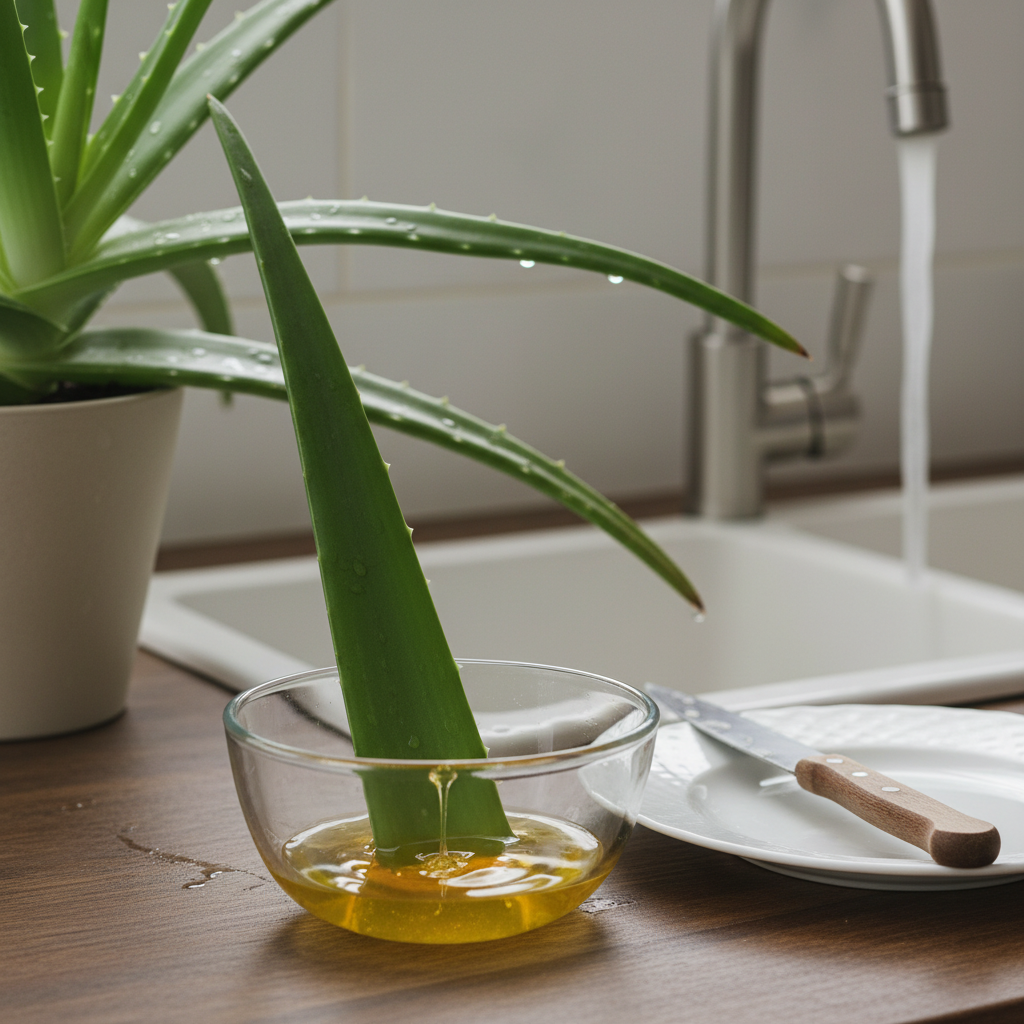
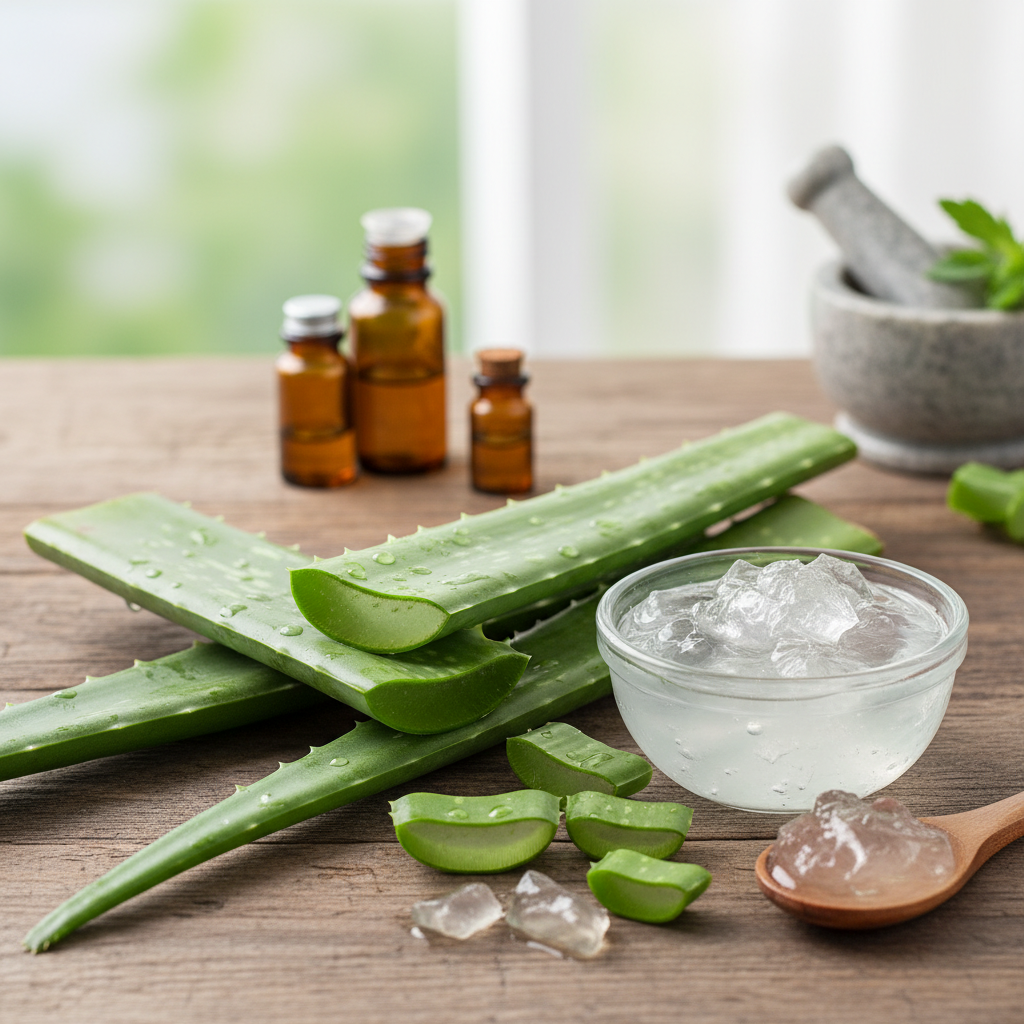
Extracting fresh aloe vera gel is a simple yet rewarding process that allows you to harness the numerous skin care and health benefits of this natural wonder. Start by selecting a healthy aloe vera leaf from the plant. Make sure the leaf is thick and succulent, as this indicates optimal gel content. After cutting the leaf at the base with a clean knife, rinse it thoroughly to remove any dirt. Then, place the leaf upright in a bowl for about 10-15 minutes to allow the yellow latex sap to drain out, which can be irritating to the skin.
Next, lay the leaf flat on a cutting board and use a sharp knife to slice off the serrated edges. Carefully split the leaf in half lengthwise, revealing the translucent gel inside. Use a spoon to scoop out the gel and transfer it to a clean container. The fresh aloe vera gel can be stored in the refrigerator for about a week.
Tips: For maximum potency, use the gel fresh and avoid prolonged exposure to light. Additionally, adding a few drops of vitamin E oil can help preserve the gel and enhance its skin-nourishing properties. Always perform a patch test on your skin before using the gel extensively to ensure you don’t have any adverse reactions.
Top 5 Aloe Vera Applications for Treating Skin Conditions: Evidence-Based Approaches
Aloe vera, a versatile plant celebrated for its skin healing properties, offers various applications backed by scientific evidence. One prominent use is its effectiveness in treating psoriasis. According to a study published in the "Journal of Dermatological Treatment", researchers found that patients applying aloe vera gel experienced a 50% reduction in the severity of psoriasis symptoms, improving overall skin condition significantly (Abdel-Malek et al., 2020). This natural remedy not only soothes inflammation but also promotes cell regeneration, making it a valuable tool for managing chronic skin conditions.
Another noteworthy application of aloe vera is in the treatment of acne. Research from the "Journal of Clinical and Aesthetic Dermatology" highlights that aloe vera possesses antibacterial and anti-inflammatory properties, which can reduce acne lesions by up to 50% when applied consistently over eight weeks (Huang et al., 2021). Furthermore, its ability to hydrate and nourish the skin without clogging pores makes it an ideal choice for those with oily or acne-prone skin. Additionally, aloe vera is known for its anti-aging benefits; it can improve skin elasticity and reduce the appearance of fine lines, as supported by findings from a clinical trial conducted by the American Academy of Dermatology, which noted a 30% improvement in skin texture among participants using aloe vera gel regularly.
Nutritional Profile of Aloe Vera: Key Vitamins and Minerals for Skin Health
Aloe vera is renowned for its numerous health benefits, particularly for skin care. The nutritional profile of aloe vera includes essential vitamins and minerals that are vital for maintaining healthy skin. Notably, vitamins A, C, and E are present, all of which play significant roles in skin repair and protection against environmental damage.
Furthermore, minerals like zinc and selenium contribute to skin health by promoting healing and reducing inflammation.
The global market for aloe vera extracts is projected to reach a staggering $2.86 billion by 2024, underlining the growing demand for natural ingredients in skincare products. This trend is expected to continue, with the market anticipated to grow to $3.09 billion by 2025 and further increase to $5.34 billion by 2032, reflecting a compound annual growth rate (CAGR) of 8.15%. Such growth signals a rising consumer interest in health-oriented beauty products, which prioritize natural and organic components.
Additionally, the aloe vera juice market is also on the rise, with an expected CAGR of 8.9% from 2025 to 2033, highlighting the broader trend towards incorporating health-focused ingredients in our diets and skincare routines.
Integrating Aloe Vera into Your Daily Skincare Routine: Expert Tips and Recommendations
Incorporating aloe vera into your daily skincare routine is a fantastic way to enhance your skin’s health and radiance. Start by using fresh aloe vera gel extracted directly from the leaf. Simply slice a leaf open and apply the gel onto your skin as a moisturizer. The natural hydrating properties of aloe vera can help soothe dry skin and provide a refreshing feel, making it an excellent alternative to commercial moisturizers.
Tip: For a quick and effective treatment, mix aloe vera gel with a few drops of essential oils like lavender or tea tree oil. This combination can amplify the soothing properties and address specific skin concerns such as acne or irritation.
Another great way to integrate aloe vera is by using it as a cooling after-sun treatment. If you’ve spent time outdoors, applying aloe vera gel can help alleviate sunburn and hydrate your skin.
Tip: Consider storing your aloe vera gel in the refrigerator for an extra cooling sensation upon application. This not only enhances your skincare experience but also provides additional relief for inflamed skin.
Benefits of Aloe Vera for Skin Care and Health