What Are Canned Crushed Tomatoes Used For?
Crushed tomatoes are a convenient base for everyday cooking, offering more texture than tomato sauce and less work than chopping fresh tomatoes. The phrase “Canned Tomato Crushed” may appear in product searches, but the ingredient is commonly labeled canned crushed tomatoes. Inside the can, tomatoes are broken into small pieces and packed with juice, sometimes with added salt or seasonings. Check the label before cooking.
Their uses are broad. Stir them into simmering onions and garlic for pasta sauce, spoon them over meatballs, or add them to chili, soup, and bean dishes. They also work well in braises, where their juices mingle with broth and spices. For a quick pizza topping, drain a little liquid first. Too much can make the crust soggy.
Texture and flavor vary by brand. Some cans contain firm chunks; others cook down quickly into a softer sauce. A brief simmer can concentrate the flavor, while a pinch of salt or herbs may help balance a bland batch. Taste before seasoning. Small detail, big difference.
Canned tomatoes are useful, not magical. They may taste brighter or more acidic than expected, and a recipe might need extra cooking time. If the dish seems watery, simmer it uncovered. If it tastes sharp, a little fat or sweetness can soften the edge, though restraint matters. I would not assume every can behaves the same way. The best choice depends on the dish, the label, and the texture you want.
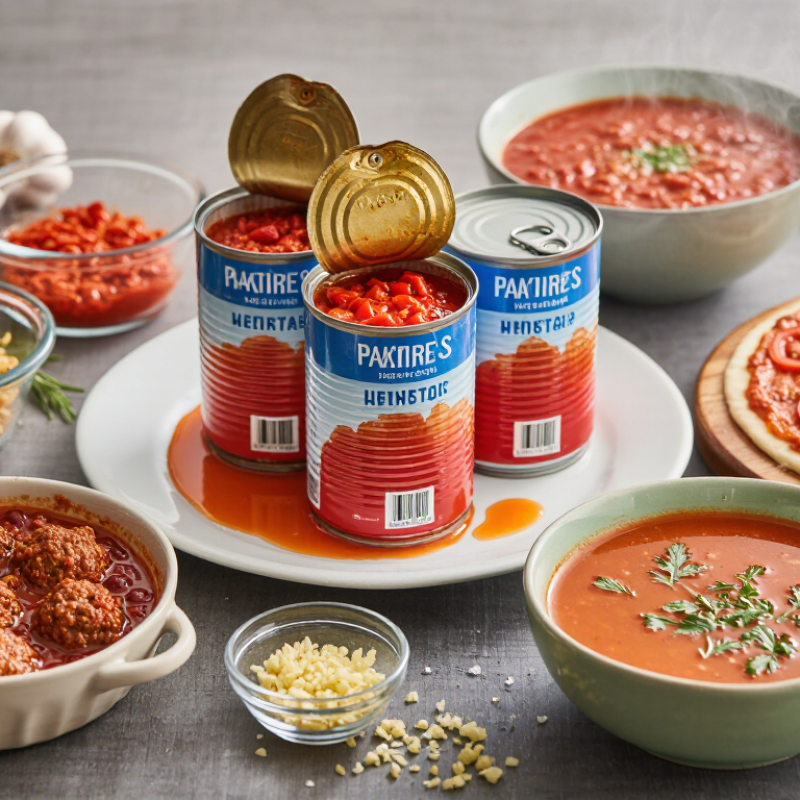
What Canned Crushed Tomatoes Are and How They Are Made
Canned crushed tomatoes are peeled or unpeeled tomatoes broken into small, uneven pieces and packed with their juice. The result is thicker than tomato juice but less smooth than purée. Some cans include salt or herbs; ingredients vary, so check the label. The pieces soften during cooking, releasing liquid and a fresh, gently acidic flavor.
Production begins with ripe tomatoes, which are washed, sorted, and prepared for processing. Depending on the product, skins may be removed before the tomatoes are chopped or crushed. The pieces are filled into cans with juice, sealed, and heat-processed to preserve them. Processing details vary by producer. FAOSTAT reports that the world harvested about 186 million tonnes of tomatoes in 2022; that figure covers all tomatoes, not just those used for canning. The texture can be imperfectly uniform, and that is useful: small pieces hold their shape while cooking.
Tips: For a thicker sauce, simmer the tomatoes uncovered and stir occasionally. Check the can before cooking; added salt can change how much seasoning you need.
Their Texture, Flavor, and Cooking Properties
Canned crushed tomatoes sit between smooth purée and chunky diced tomatoes. Their pieces soften during cooking but usually keep more texture than a fully blended sauce. The flavor is bright and mildly sweet, with some variation from can to can. That difference matters. A batch may taste sharper than expected, especially before it has simmered.
Their loose, juicy texture makes them useful in pasta sauces, soups, braises, and skillet meals. They spread easily across a pan, while small tomato pieces add a little body to each spoonful. Simmer them uncovered when a thicker sauce is needed; moisture will evaporate gradually. For a smoother finish, crush the pieces with a spoon near the end. They are convenient, but not a perfect substitute for fresh tomatoes in recipes that depend on crisp texture. I still taste before seasoning, since salt levels and acidity can vary.
Tips: Cook crushed tomatoes for at least 15 minutes when time allows. Add a pinch of sugar only if the finished sauce tastes too sharp. For a richer, less watery result, stir in olive oil and let the mixture reduce gently.
How They Build the Base of Sauces and Soups
Canned crushed tomatoes give sauces and soups a ready-made foundation. The fruit is already peeled and broken down, so it softens quickly in the pot. That matters. Instead of spending time chopping, you can focus on building flavor with onion, garlic, herbs, or broth. Their texture usually falls between smooth purée and chunky diced tomatoes, adding body without requiring a blender.
For a pasta sauce, cook minced onion in oil until tender, then add garlic briefly so it does not scorch. Stir in the tomatoes and scrape the pot’s browned bits into the mixture. Simmer uncovered for about 20 minutes, stirring occasionally. The liquid reduces, and the tomato flavor becomes fuller. If the sauce thickens too much, add a splash of water or pasta cooking liquid. Taste before adding salt; canned tomatoes can vary in seasoning and acidity.
In soup, crushed tomatoes work well with beans, lentils, vegetables, or stock. Add them after sautéing aromatics, then let the ingredients simmer together so their flavors mingle. A pinch of sugar is not always the answer to tartness; longer cooking or a little fat may help more. I still find it easy to reduce a sauce too far. Keep a little liquid nearby, and adjust by taste.
Using Them in Pasta, Stews, and Other Dishes
Canned crushed tomatoes bring soft, uneven pieces and plenty of juice to dishes that need a tomato base. For pasta, warm olive oil with garlic, add the tomatoes, and simmer until the sauce clings to a spoon. A pinch of salt and chopped herbs can keep the flavor clear. If the sauce tastes sharp, give it more time rather than adding much sugar. It is easy to rush this part.
In stews, crushed tomatoes add body without requiring a blender. Stir them into browned onions and vegetables, then add stock and simmer until the pieces soften. They also work in bean pots, braised chicken, soups, and baked rice dishes. Add them gradually when a recipe already contains broth; too much liquid can leave the dish thin. I still sometimes misjudge that balance, so I reduce the pot uncovered and taste again.
Check the sodium on the label when choosing a can. The FDA’s Nutrition Facts guidance sets the sodium Daily Value at 2,300 milligrams; 5% DV or less per serving is low, while 20% or more is high. That’s a useful check. Different cans vary, so season near the end rather than assuming the tomatoes need extra salt.
Choosing, Storing, and Substituting Canned Crushed Tomatoes
Canned crushed tomatoes suit sauces, soups, braises, and quick skillet meals. When choosing a can, check the ingredient list and sodium level. Some contain only tomatoes; others include salt or herbs. That difference can affect seasoning later. Check the label. Choose a can without dents near the seams, swelling, or leaks. For a smoother sauce, look for a finer texture; chunkier varieties work well in rustic stews.
After opening, transfer unused tomatoes to a covered container and refrigerate promptly. Use them within three to four days, or freeze portions for longer storage. Keep it cold. A small freezer-safe container makes it easier to thaw only what a recipe needs. Don’t store leftovers in an opened can; the container may be awkward to seal, and the tomatoes can pick up other refrigerator odors.
For substitutes, crush whole canned tomatoes by hand or with a spoon, then add their juices. Diced tomatoes can work, though their pieces may stay firmer after simmering. Tomato passata gives a smoother result, but it may need extra seasoning or a little water. Tomato sauce is another option, but check whether it is already salted or seasoned. The texture may not match exactly, and that’s worth adjusting as you cook.