How to Choose the Best Skincare Ingredients for Your Routine?
Choosing the right Skincare Ingredients can significantly impact your skin health. According to a report by the Global Skincare Market Analysis, the industry is expected to reach $183 billion by 2025. This growth reflects a rising consumer awareness of the importance of skincare. Yet, with so many options available, selecting suitable skincare ingredients can be overwhelming.
Research indicates that understanding your skin type is crucial. For instance, a study from the Journal of Dermatological Science found that certain ingredients, like hyaluronic acid, benefit dry skin while salicylic acid is more effective for oily skin. Identifying the right skincare ingredient can lead to noticeable results. However, not all claims are reliable. Some products may not deliver their promises, resulting in frustration.
Being informed is key in navigating this complex market. Carefully examining ingredient labels can help consumers make better choices. Consider consulting with a dermatologist for personalized advice. The journey to finding the best skincare ingredients is often trial and error. You may need to reconsider options that don’t work. Balancing effectiveness with safety is essential for long-term skin health.
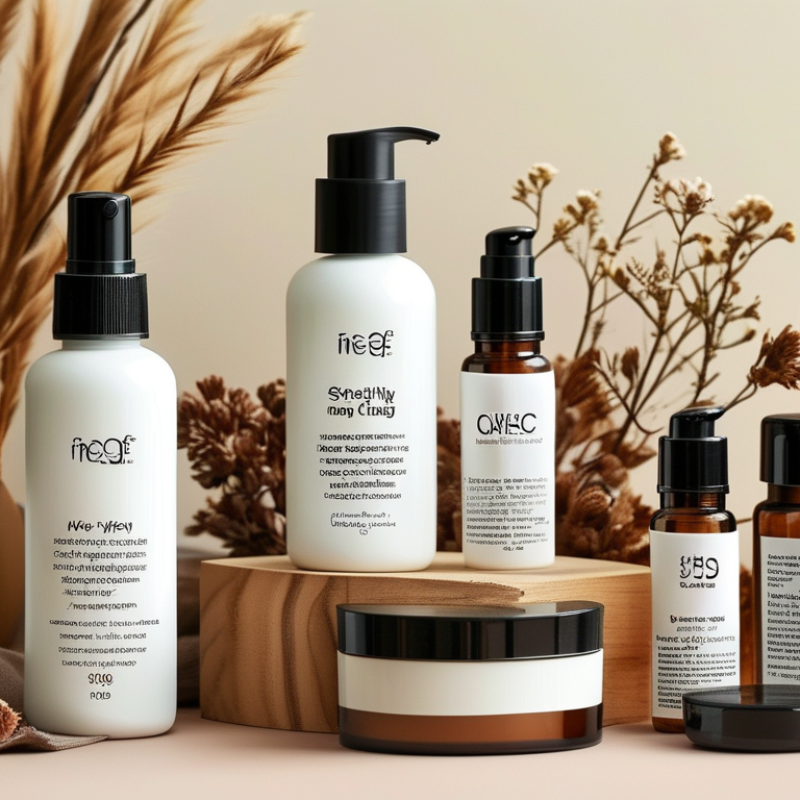
Understanding Your Skin Type and Needs
Understanding your skin type is essential in choosing the best skincare ingredients. Oily, dry, combination, and sensitive skin all have unique needs. Oily skin often requires lightweight formulas that control excess sebum. Look for non-comedogenic oils and gels. On the other hand, dry skin benefits from richer, hydrating ingredients like hyaluronic acid and ceramides. These create a barrier to lock in moisture.
For combination skin, the balance is key. You might choose products targeting oily zones while hydrating drier areas. Ingredients like salicylic acid can help with breakouts, while aloe vera soothes inflammation. Sensitive skin often reacts to harsh chemicals. Fragrance-free and hypoallergenic ingredients are safer choices. However, personalization is vital.
Consider testing new products on a small area first. This helps in observing reactions without overwhelming your skin. Be mindful that even trusted ingredients can sometimes cause breakouts or irritation. Regularly reassessing your routine can lead to better skin health. Each skin type evolves, and so should your choices. Prioritize listening to your skin’s signals for optimum care.
How to Choose the Best Skincare Ingredients for Your Routine
Identifying Key Ingredients for Different Skin Concerns
When selecting skincare ingredients, it's essential to consider individual skin concerns. Each skin type has specific needs that can be addressed with tailored products. For instance, if you have dry skin, look for ingredients like hyaluronic acid. This ingredient helps draw moisture into the skin, keeping it hydrated. Similarly, for oily skin, salicylic acid is key. It penetrates pores, helping to reduce excess oil and prevent breakouts.
Sensitive skin requires a gentle touch. Ingredients like chamomile and aloe vera are soothing options. They help calm irritation and reduce redness. For those battling signs of aging, retinol can be a game changer, promoting cell turnover and improving skin texture. However, this ingredient can be harsh. It’s crucial to introduce it gradually to avoid irritation.
Understanding your unique skin needs is vital. Reading labels and researching can help clarify which ingredients are best for you. It’s okay to experiment, but be careful with combinations. Some ingredients, like vitamin C and retinol, can cause irritation when used together. Always patch test new products before fully integrating them into your routine. Don’t be afraid to consult a dermatologist for personalized advice. Their expertise can guide you in making informed decisions for your skincare journey.
Evaluating Ingredient Efficacy and Safety
Choosing the right skincare ingredients requires careful evaluation. Not every ingredient is suitable for every skin type. For instance, salicylic acid is great for oily skin but can irritate dry skin. Always read labels and understand what each ingredient does.
Pay attention to ingredient concentrations. Some might be effective at certain levels but ineffective at others. For example, retinol is widely used for anti-aging, but too high a concentration can cause irritation. Testing on a small area can be wise before full application.
Researching the safety of ingredients is crucial. Seek evidence from studies or credible sources. Look for potential allergens or irritants. Natural doesn’t always mean safe. Some plant-based ingredients can cause reactions. In your routine, balance efficacy and safety. Not all popular ingredients will work universally. It’s a journey of trial and error to find what truly benefits your skin.
Choosing Products Based on Ingredient Compatibility
Choosing skincare products can be overwhelming. Understanding ingredient compatibility is key. For example, combining acid-based ingredients like AHAs or BHAs with retinol may cause irritation. According to a recent survey by the American Academy of Dermatology, nearly 30% of users experience discomfort when layering active ingredients improperly.
It’s essential to consider skin type too. Studies show that oil-based ingredients work well for dry skin, while water-based options suit oily skin. Always patch-test new products. The National Eczema Association highlights that up to 60% of individuals will encounter irritation when introducing new components without testing.
Watch for potential interactions among ingredients. Some combinations, such as vitamin C and niacinamide, may lead to reduced efficacy. Research suggests that over 50% of people notice better results when products are carefully selected based on their ingredient profiles. Ultimately, product compatibility can significantly impact your skincare journey.
How to Choose the Best Skincare Ingredients for Your Routine? - Choosing Products Based on Ingredient Compatibility
| Ingredient | Type | Best For | Compatibility |
| Hyaluronic Acid | Humectant | Dry Skin | Works well with Retinol, Vitamin C |
| Niacinamide | Vitamin | Oily/Acne-Prone Skin | Compatible with most ingredients |
| Retinol | Vitamin A | Anti-Aging | Avoid combining with Vitamin C |
| Salicylic Acid | Beta Hydroxy Acid | Acne Treatment | Works well with Niacinamide |
| Vitamin C | Antioxidant | Brightening | Avoid combining with Retinol |
Building a Balanced and Effective Skincare Routine
Building a balanced and effective skincare routine requires understanding your skin’s needs. Assess your skin type. Is it oily, dry, or sensitive? Each type demands different ingredients for optimal care. Research common ingredients like hyaluronic acid for hydration or salicylic acid for acne. These choices should reflect your unique concerns.
Layer your products wisely. Start with a gentle cleanser. Follow with a serum tailored to your skin’s specific issues. This could be dark spots or texture. Moisturizer comes next to lock in hydration. Finally, don’t forget sunscreen, crucial for protecting your skin.
However, achieving this balance isn’t always straightforward. You might feel overwhelmed by choices. It's crucial to experiment and observe how your skin reacts. Record your experiences. Some combinations may cause irritation or breakouts, prompting adjustments. Test patches can help minimize mistakes. Self-reflection leads to a routine that feels customized and effective.