How to Choose a Sodium Bisulfate Supplier in 2026?
Choosing a Sodium Bisulfate supplier in 2026 requires more than comparing prices on a spreadsheet. The right partner should provide consistent purity, dependable production capacity, clear documentation, and responsive technical support. A delayed shipment can interrupt wastewater treatment, metal processing, pulp production, or pH-control operations. A vague certificate can create bigger problems at the receiving dock.
Process-safety authority Trevor Kletz offered a warning that applies strongly to chemical procurement: “If you think safety is expensive, try ignorance.” His words remind buyers to examine supplier quality systems, packaging controls, safety data sheets, and transport procedures before signing a contract. Sodium Bisulfate may appear straightforward. It still demands careful handling, accurate labeling, and suitable storage conditions.
This guide explains how to assess suppliers through practical evidence. Look for recent certificates of analysis, batch traceability, product specifications, and documented quality standards. Ask where the material is produced, how moisture is controlled, and whether emergency support is available. A supplier with the lowest quotation may not deliver the lowest total cost.
Some details are easy to overlook. A torn 25-kilogram bag, unclear pallet wrapping, or inconsistent granulation can slow your operation. I would also question suppliers that promise everything immediately. That confidence may be useful, or it may hide weak planning. Strong purchasing decisions come from verification, not polished claims. In 2026, reliability should be measured shipment by shipment.
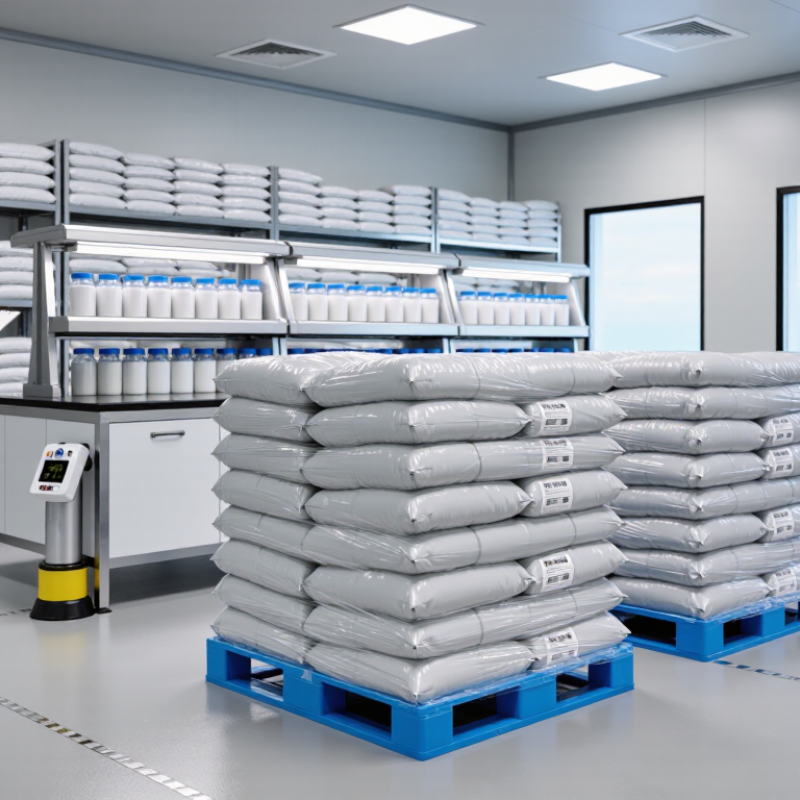
What Is Sodium Bisulfate and Why Does Supplier Choice Matter in 2026?
Sodium bisulfate is an acidic sodium salt, commonly supplied as a dry, free-flowing powder. Its formula is NaHSO4, and its CAS Registry Number is 7681-38-1. PubChem identifies it as a water-soluble compound that releases acidity in solution. This property supports pH adjustment, mineral processing, cleaning formulations, and controlled industrial treatment. Small differences matter. Moisture, particle size, and impurities can change dosing behavior.
Supplier choice matters more in 2026 because quality and continuity are closely connected. The 2024 UNCTAD Review of Maritime Transport reports that maritime shipping carries over 80% of global merchandise trade. Disruptions can therefore affect delivery schedules, packaging availability, and landed cost. Buyers should request recent certificates of analysis, batch traceability, safety data sheets, and documented impurity limits. Check assay results independently when the material enters production.
Look beyond price.
A practical qualification trial should examine flow, dissolution time, caking, and performance at the intended dosage. Ask about production capacity, backup logistics, packaging protection, and change-notification procedures. The 2024 Global Chemicals Outlook updates from international environmental agencies also stress stronger chemical information and supply-chain transparency. Yet documentation alone is not proof of consistency. A polished certificate can still miss a recurring handling problem. Supplier audits, retained samples, and periodic testing remain necessary. My own cautious view is simple: the cheapest offer may become expensive after one failed batch.
How to Choose a Sodium Bisulfate Supplier in 2026?
What Is Sodium Bisulfate and Why Does Supplier Choice Matter in 2026?
Sodium bisulfate is an acidic salt with the chemical formula NaHSO₄. The chart shows its theoretical mass composition in anhydrous form, calculated from standard atomic weights. When selecting a supplier, buyers should verify assay, moisture content, impurity limits, batch consistency, safety documentation, packaging, traceability, and regulatory compliance because these factors can directly affect performance, handling, and total procurement risk in 2026.
Reference: Theoretical composition calculated from NaHSO₄ using standard atomic weights published by IUPAC.
Define Your Sodium Bisulfate Specifications and Intended Application
Choosing a sodium bisulfate supplier should begin with your specification, not a sales quotation. Define the intended application clearly. Water treatment, pH adjustment, metal processing, and industrial cleaning may require different grades. State required purity, sodium bisulfate concentration, moisture limit, particle size, and appearance. A dry, free-flowing powder behaves differently from damp material. This detail matters. Record the target pH range and dosing method. Liquid dosing, manual addition, and automated feeders create different handling demands.
Ask suppliers for a current certificate of analysis, safety data sheet, and batch traceability. Check assay results, insoluble matter, heavy metals, chloride, and moisture against your limits. Do not accept “high purity” as a complete specification. It is too vague. Request representative samples in the proposed packaging. Inspect caking after storage, dust formation during transfer, and dissolution in your actual water. Small tests can reveal problems that a polished product sheet hides. Keep test conditions documented.
Your application may also define packaging and delivery requirements. Moisture-resistant bags, lined bulk containers, or smaller sealed units may suit different sites. Confirm net weight, pallet stability, storage life, and transport protection. Ask how quality deviations are handled. A dependable supplier explains corrective actions without avoiding difficult questions. I would still review the specification after pilot use. Real equipment can expose assumptions. A supplier that welcomes measured feedback is easier to assess over time. Price matters, but an unsuitable grade can cost more through clogged feeders, unstable dosing, or rejected batches.
Evaluate Supplier Quality, Compliance, and Product Certifications
How to Choose a Sodium Bisulfate Supplier in 2026?
Choosing a sodium bisulfate supplier requires more than comparing prices. Begin with product quality and batch consistency. Ask for a current Certificate of Analysis for every grade you may purchase. Check purity, moisture, particle size, packaging, and traceability details. A dependable supplier should explain how samples are tested and stored. The production site should also maintain documented quality controls, not just attractive certificates.
Tips: Request a sample, recent COA, SDS, and production date. Verify that the documents match the exact product grade. Visit the facility when practical. Small details matter.
Compliance deserves equal attention. Review ISO 9001 certification, environmental controls, and relevant chemical registration requirements. Confirm that certificates cover the actual manufacturing site and product, rather than a parent company or unrelated facility. For food, water treatment, or industrial use, check the standards required in your destination market. Never assume one certification fits every application. Requirements can change in 2026. A supplier should provide updated technical documents and respond clearly to audit questions.
A common mistake is trusting a polished document without checking its scope or expiry date. That shortcut can create delays later. Evaluate complaint handling, recall procedures, delivery records, and packaging performance too. Powder leakage around a pallet is not a minor issue. Reliable supply depends on quality systems, honest communication, and evidence that can be independently verified.
Compare Pricing, Production Capacity, Packaging, and Delivery Terms
Choosing a sodium bisulfate supplier in 2026 requires more than comparing the lowest quoted price. Request pricing by grade, order volume, and delivery location. A low unit price may exclude pallet fees, export documentation, or seasonal freight increases. Ask for a written quotation with validity dates. Prices can change quickly.
Production capacity should match your actual purchasing plan. Request recent batch records, quality certificates, and a realistic monthly output figure. A large factory may still prioritize long-term contracts during busy periods. Confirm available capacity, minimum order quantities, and backup production arrangements. I once treated an impressive capacity statement as proof of availability. It was not. Verify it with production schedules and customer references.
Packaging affects safety, storage, and total cost. Compare moisture-resistant bags, lined containers, pallet strength, and labeling details. Check whether packaging suits your warehouse conditions and unloading equipment. Delivery terms deserve equal attention. Confirm lead time, shipment frequency, port responsibilities, insurance, and procedures for damaged goods. Use clear Incoterms and define who handles inspection claims. Keep a small buffer for customs or weather delays. Even experienced buyers sometimes underestimate unloading time. A practical supplier should answer technical questions directly, provide consistent documents, and report delays before they become urgent. Reliability is visible in details.