2026 Top Organic Ginger Extract Types for Global Buyers?
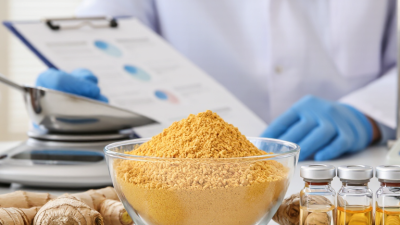
Global buyers are examining Organic Ginger Extract more closely as clean-label formulas expand across beverages, supplements, cosmetics, and functional foods. The opportunity is real, but the market is not perfectly transparent. Major reports often combine fresh ginger, dried powder, oleoresin, essential oil, and botanical extracts. Therefore, their market values should guide decisions, not replace product verification.
Grand View Research and IMARC Group both report continued growth in the wider ginger market. Their analyses highlight rising demand for convenience, standardized botanical ingredients, and traceable supply chains. However, neither report fully separates certified organic extract from conventional ginger products. The gap matters. Buyers should compare extraction solvent, gingerol concentration, shogaol profile, carrier materials, origin, and certification status. A bright amber liquid may look premium, yet color alone proves little.
Paul M. Bode, PhD, a recognized ginger researcher, and Zigang Dong, MD, wrote that “ginger has a long history of use as a spice and medicinal plant.” Their peer-reviewed review, published in Herbal Medicine: Biomolecular and Clinical Aspects, supports a careful, evidence-led approach. For 2026 sourcing, the most relevant types may include organic water extracts, hydroethanolic extracts, standardized 6-gingerol extracts, CO2 extracts, and spray-dried powders. Each behaves differently in a beverage or capsule. Some dissolve poorly. Others lose potency during heat exposure.
This guide compares those types for global buyers. It considers documentation, sensory performance, stability, and practical formulation risks. Certification is important. It is not the whole story. Supplier audits and batch testing still deserve attention.
Organic Ginger Extract Types and Their Defining Features
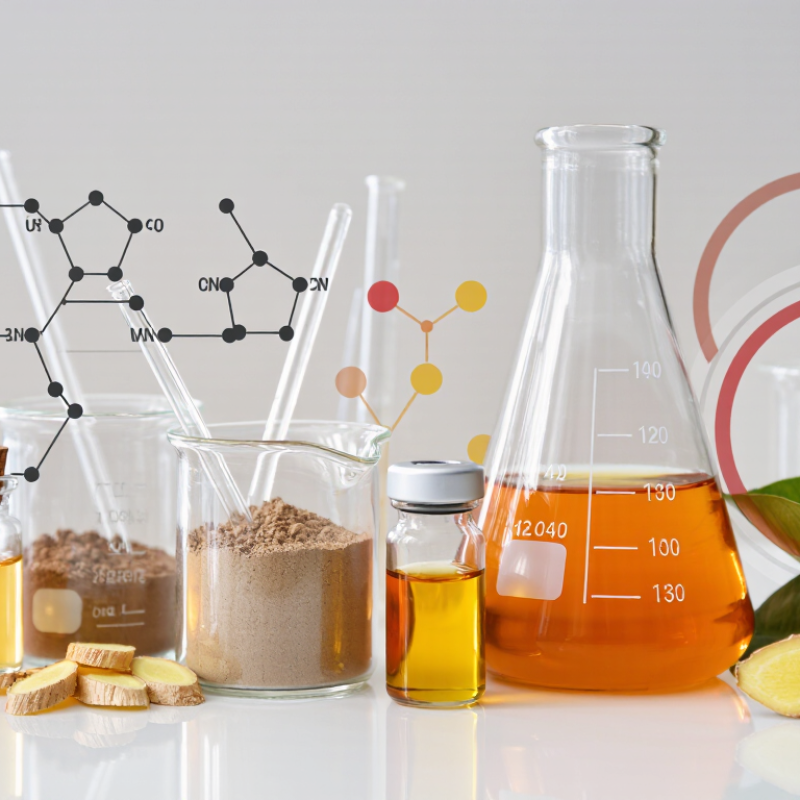
Organic ginger extract types differ by solvent, concentration, and intended use. Aqueous extract is water-based and usually offers a mild ginger profile. It suits beverages, teas, and clean-label formulations. Hydroalcoholic extract can capture a broader range of ginger compounds. Its sharper aroma may fit capsules or functional foods.
CO2 extract is highly concentrated and often carries a warm, fresh scent. It may contain valuable volatile compounds, but its price and processing requirements can be higher. Ginger oleoresin provides strong color, aroma, and pungency. Standardized extracts focus on measurable gingerols or shogaols. This helps buyers compare batches more consistently. However, one marker cannot describe the entire extract.
I have found that a reliable purchase starts with the specification sheet, not the product name. Check the botanical name, plant part, extraction method, carrier, and active-compound range. A current certificate of analysis should include identity, microbiology, heavy metals, pesticide residues, and solvent testing. Organic status also requires verification against the target market’s certification rules. “Organic” is not automatically universal.
Small details matter. A pale powder may indicate a low-color process, but appearance alone proves little. Strong aroma can be useful, yet it may change during storage. Buyers should request samples from different lots and compare moisture, dispersibility, taste, and test results. I once considered a highly concentrated extract attractive until its poor water dispersion weakened the final formula. That was a useful correction. Cost per kilogram is not the same as cost per effective dose.
2026 Top Organic Ginger Extract Types for Global Buyers
Organic Ginger Extract Types and Their Defining Features
The chart compares common organic ginger extract formats using a relative technical index from 0 to 100. Hydroethanolic extracts generally provide strong gingerol recovery and broad formulation flexibility, while CO2 oleoresins are valued for concentrated aroma and pungency. Aqueous extracts offer the best compatibility with water-based products, whereas powdered extracts are convenient for dry blends and capsules.
Index values are comparative guidance rather than laboratory specifications. Actual gingerol content, solubility, aroma intensity, and performance vary with ginger variety, extraction conditions, concentration, and storage.
Fresh Ginger, Dried Ginger, and Black Ginger Extract Varieties
2026 Top Organic Ginger Extract Types for Global Buyers
Fresh ginger extract offers a bright aroma, sharp taste, and a vivid sensory profile. It suits beverages, sauces, and clean-label formulations. However, fresh roots contain high moisture and spoil quickly without controlled processing. Buyers should check harvest timing, origin records, organic certification, and microbial results. Small differences in maturity can change pungency.
Dried ginger extract is easier to store and ship. Its lower moisture supports better stability during long international transport. It may deliver stronger concentration, but drying temperature matters. Excessive heat can reduce delicate volatile compounds. Ask for the extraction ratio, solvent details, gingerol specifications, and a current certificate of analysis. A powder can look consistent while its flavor varies noticeably.
Black ginger extract requires careful identification. It usually comes from Kaempferia parviflora, not common culinary ginger, Zingiber officinale. These plants should not be treated as interchangeable. Buyers need verified botanical names, plant-part information, marker-compound testing, and contaminant screening. Supply quality can vary between regions and seasons. Some product descriptions also overstate performance without strong human evidence. That deserves caution. Organic status alone does not prove potency, purity, or batch consistency. A retained sample, independent laboratory test, and clear storage plan can prevent expensive surprises.
Standardized Gingerol and Shogaol Extract Options
2026 Top Organic Ginger Extract Types for Global Buyers
Organic ginger extracts are increasingly specified by gingerol and shogaol content, not by “high strength” wording alone. Gingerols are naturally prominent in fresh ginger. Shogaols increase when ginger undergoes controlled heating or dehydration. The balance affects flavor, color, stability, and formulation behavior.
Buyers should request a clear specification for each extract. Useful details include total gingerols, individual 6-gingerol levels, and total shogaols. A supplier may offer gingerol-standardized powder for fresh, pungent notes. Another option may emphasize shogaols for a warmer, sharper profile. There is no universal best ratio. It depends on the product format and processing temperature.
Ask for HPLC testing, botanical identity, organic certification, moisture, microbial limits, heavy metals, and residual solvent data. A current certificate of analysis matters. Batch-to-batch variation can still occur, even with a strong specification. That part is often underestimated.
Higher percentages are not automatically better. Excessive heat may deepen the color and alter aroma. It can also complicate flavor control in beverages or capsules. Buyers should compare at least three recent batches, review the extraction solvent, and confirm packaging protection from light and moisture. Sometimes, a moderate standardized extract performs more reliably than a stronger one. That is worth testing.
Extraction Methods, Organic Certification, and Quality Grades
Organic ginger extract buyers in 2026 should compare extraction methods, certification, and measurable quality grades. Water extraction is gentle and leaves no solvent residue. Ethanol extraction usually delivers stronger gingerol recovery. Supercritical carbon dioxide can produce concentrated oleoresin, but equipment costs remain high. The best method depends on the target compound, dosage form, and stability requirements.
Organic certification must cover the farm, processor, and supply chain. FiBL and IFOAM’s 2024 report recorded 96.4 million hectares under organic management worldwide in 2022. That scale increases demand for traceable documentation. Buyers should request current certificates, transaction records, pesticide testing, heavy-metal results, and microbiological reports. Certification alone is not enough. Audit scope can be misunderstood.
Quality grades should show gingerol and shogaol levels, not only “premium” language. A reliable specification includes botanical identity, extraction ratio, moisture, ash, residual solvents, and batch-to-batch variation. Fresh ginger often provides more gingerols, while heat processing can increase shogaols. This changes product behavior. Some suppliers report impressive assay numbers without explaining the test method.
Tips: Ask for a recent certificate of analysis and verify its laboratory accreditation. Compare gingerol results using the same analytical method. Inspect the powder’s color, aroma, and packaging seal. A sharp aroma helps, but it does not prove potency. Personally, I would treat unusually high assay claims as a question, not an advantage.
| Organic Ginger Extract Type | Primary Extraction Method | Main Active or Functional Components | Typical Commercial Form | Organic Certification Considerations | Common Quality Grade | Best-Fit Applications | Key Buyer Quality Checks |
|---|---|---|---|---|---|---|---|
| Organic Aqueous Ginger Extract | Hot-water extraction followed by filtration and concentration; may be spray-dried or freeze-dried. | Water-soluble ginger compounds, soluble carbohydrates, minerals, and naturally occurring flavor components. | Brown to tan powder, liquid concentrate, or instant beverage powder. | Organic ginger and all relevant agricultural ingredients should be certified. Processing aids, carriers, and cleaning procedures must comply with the destination-market organic rules. | Food Grade | Tea, functional beverages, instant drink mixes, soups, and general food formulations. | Solubility, moisture, particle size, microbial count, heavy metals, pesticide residues, and sensory profile. |
| Organic Hydroalcoholic Ginger Extract | Extraction with an approved mixture of water and food-grade ethanol, followed by solvent recovery and concentration. | Broad-spectrum ginger constituents, including water-soluble compounds and pungent phenolic compounds such as gingerols. | Liquid extract, concentrated syrup-like extract, or dried powder on an approved carrier. | Ethanol must be suitable for organic processing under the target standard. The supplier should document solvent recovery, carrier origin, and mass-balance controls. | Standardized Food or Botanical Grade | Dietary supplements, botanical blends, functional foods, and liquid formulations. | Total gingerols or marker-compound specification, residual solvent, identity testing, microbiology, and batch-to-batch consistency. |
| Organic Ethanol Ginger Extract | Food-grade ethanol extraction with controlled temperature, filtration, evaporation, and optional drying. | Relatively concentrated pungent compounds, including gingerols and related phenolics, depending on process conditions. | Viscous liquid, dry extract, or standardized powder. | Organic status depends on certified raw material, permitted processing aids, compliant carriers, and traceable handling from farm to finished product. | Concentrated Botanical Grade | Capsules, tablets, gummies, liquid supplements, and concentrated food systems. | Marker-compound assay, residual ethanol, solvent specifications, adulteration screening, pesticide residues, and stability data. |
| Organic Ginger Oleoresin | Selective solvent extraction of dried ginger followed by solvent removal; oleoresin contains both volatile and non-volatile fractions. | Gingerols, shogaols, zingerone, volatile ginger aroma compounds, and natural pungent principles. | Dark amber to brown viscous liquid or paste. | The ginger source, extraction solvent, processing aids, and any antioxidant or carrier must meet the applicable organic requirements. Organic certification does not automatically guarantee a specific gingerol level. | Flavor and Fragrance Grade | Seasonings, sauces, bakery products, savory foods, beverages, and natural flavor systems. | Gingerol and shogaol profile, volatile-oil content, viscosity, color, flavor strength, residual solvent, and oxidation indicators. |
| Organic Supercritical CO2 Ginger Extract | Supercritical carbon-dioxide extraction under controlled pressure and temperature, generally without conventional organic-solvent residues. | Concentrated volatile aroma compounds and lipophilic pungent constituents; composition varies with pressure and temperature. | Oil-like extract or viscous oleoresin. | Organic certification should cover the ginger feedstock and any permitted post-extraction materials. Carbon dioxide processing parameters and carriers should be disclosed for compliance review. | Premium Botanical or Natural Flavor Grade | Premium supplements, natural flavors, aromatherapy-related ingredients, and specialty food products. | Volatile profile by chromatographic testing, gingerol-related compounds, oxidation markers, authenticity, allergen statement, and storage stability. |
| Organic Standardized Ginger Extract | Usually produced by water, ethanol, or hydroalcoholic extraction, then blended or concentrated to meet a declared marker-compound range. | Declared levels of total gingerols, 6-gingerol, or a gingerol-plus-shogaol profile, depending on the specification. | Fine powder, granules, or liquid concentrate. | The organic certificate confirms production compliance, while standardization requires separate technical evidence showing the assay method, reference standards, and acceptable batch range. | Supplement Grade | Tablets, capsules, sachets, gummies, sports-nutrition products, and clinically positioned botanical formulas. | Assay method, marker-compound range, identity confirmation, residual solvents, microbial limits, heavy metals, pesticides, and stability under recommended storage. |
| Organic Spray-Dried Ginger Extract | Liquid extract is atomized into a hot drying chamber, usually with a permitted carrier to improve powder recovery and handling. | Retained ginger flavor and selected soluble or extractable constituents; heat exposure can affect volatile compounds. | Free-flowing tan to brown powder. | Carriers such as organic maltodextrin or other permitted materials must be identified and included in the organic documentation. The carrier percentage should be declared. | Standard Food or Beverage Grade | Instant beverages, drink powders, bakery mixes, seasoning blends, and ready-to-mix products. | Carrier ratio, moisture, water activity, dispersibility, bulk density, flavor retention, microbiology, and packaging performance. |
| Organic Freeze-Dried Ginger Extract | Frozen liquid extract is dried under vacuum at low temperature, helping preserve heat-sensitive flavor compounds. | Soluble ginger constituents and a comparatively fresh flavor profile; actual composition depends on the extraction liquid and concentration step. | Porous, light-brown powder or granules. | All raw materials, carriers, and processing aids must be reviewed against the destination organic regulation. The lower-temperature process does not replace organic certification. | Premium Food or Nutraceutical Grade | Premium beverages, nutraceutical powders, functional foods, and products requiring enhanced flavor quality. | Moisture, water activity, reconstitution behavior, volatile retention, microbial limits, oxidation, packaging integrity, and shelf-life data. |
| Organic Ginger Essential Oil | Steam distillation or hydrodistillation of ginger rhizomes; this produces an essential oil rather than a full-spectrum ginger extract. | Volatile compounds such as zingiberene and other sesquiterpenes; it contains little or no non-volatile gingerol fraction compared with oleoresin. | Clear to pale yellow aromatic oil. | Organic certification should apply to the ginger rhizomes and compliant distillation operations. Intended use must meet food, cosmetic, or other applicable regulatory requirements. | Flavor, Cosmetic, or Aromatic Grade | Natural flavoring, personal-care products, fragrances, and selected wellness formulations. | Gas-chromatographic profile, refractive index, specific gravity, oxidation status, contaminants, authenticity, and intended-use compliance. |
Global Buyer Criteria for Selecting Ginger Extract in 2026
Global buyers in 2026 should select organic ginger extract by application, not marketing language. Standardized gingerol extracts suit capsules and functional powders requiring consistent potency. Ginger oleoresin fits beverages, sauces, and flavor systems because it carries both pungency and aroma. Water-dispersible extracts work better in clear drinks, although emulsification quality can vary.
Recent FAOSTAT crop data show global ginger production reached several million tonnes annually, with supply concentrated in Asia. That scale does not guarantee extract consistency. Buyers should request the botanical name, plant part, origin, harvest year, extraction method, and complete batch traceability. The certificate of analysis should report 6-gingerol and 6-shogaol levels, moisture, microbial counts, heavy metals, pesticide residues, and residual solvents. A practical check is simple: compare the declared marker level with three consecutive batches.
Organic status also needs careful verification. USDA National Organic Program rules and EU Regulation 2018/848 require controlled production and documented handling, but certificates must match the exporting facility and product scope. An organic farm certificate alone is insufficient. Ask for current certification, transaction records, allergen statements, and contaminant testing from an independent laboratory. WHO quality guidance supports identity and purity testing for herbal materials, yet botanical extracts remain variable. I would not accept a glossy specification without stability data. Even a clean-looking powder may cake after shipping, lose aroma, or disperse poorly in a cold bottle.
Related Posts
-
Top 10 Organic Ginger Extract Suppliers Worldwide?
-
Advantages of Incorporating Best Organic Kale Powder into a Healthy Diet
-
Mastering Natural Herb Extracts for Global Sourcing Professionals A Comprehensive Guide
-
Unlocking the Health Potential of Best Premium Natural Herb Extract for Global Buyers
-
Five Compelling Reasons Global Buyers Choose Natural Herb Extracts for Their Products
-
The Ultimate Guide to Sourcing the Best Panax Ginseng Powder for Your Business Needs